Guide to Andalusia – Discover the most beautiful places

Guide to Andalusia
Andalusia, located in southern Spain, is one of the country’s 17 autonomous regions. According to the latest data from 1 January 2025, it has a population of 8,663,175, making it the most populous autonomous community in Spain. The region comprises eight provinces: Jaén, Almería, Granada, Huelva, Cádiz, Córdoba, Málaga and Seville, which is also the capital of Andalusia.
The region covers an area of over 87,000 km², which allows for a variety of landscapes – from the beaches of the Mediterranean Sea to the mountain peaks of the Sierra Nevada. It is a land with a rich history, where Arab and Spanish influences combine in unique architecture and culture, with gems such as the Alhambra Palace in Granada and the Mezquita in Córdoba.
In 2024, the region recorded record tourism revenues of €29.5 billion, and the number of visitors rose to an impressive 35 million. The sustainable tourism strategy has effectively spread tourist traffic across a larger number of municipalities, allowing visitors to discover lesser-known but equally charming corners of Andalusia.
Why visit Andalusia?
Andalusia is a region that delights with its diversity, combining rich history, unique culture and breathtaking landscapes. It is here that you can admire extraordinary monuments that reflect the centuries-old coexistence of Arab, Christian and Jewish cultures. Charming cities such as Seville, Malaga and Ronda offer not only wonderful places to visit, but also a rich cultural life and festivals such as the Feria de Abril and Semana Santa.
Andalusia is also a place full of traditions, the most famous of which is flamenco, an expression of the passion and emotions of the region’s inhabitants. Why are tourists so keen to visit this corner of Spain? The answer is simple – nowhere else can you find such a harmonious combination of historical monuments, natural beauty and a lively, vibrant culture.

In addition to its cultural treasures, Andalusia also attracts nature lovers and active holidaymakers. Magnificent national parks, such as Doñana and Cabo de Gata, offer the opportunity to commune with wildlife, including observing the rare Iberian lynx during 4×4 off-road excursions. Picturesque mountain ranges, such as Sierra Nevada with 115 ski slopes on peaks reaching 3,300 metres above sea level, are ideal for both trekking and winter sports. Whether you are looking for a place to explore, relax or enjoy active recreation, you will love Andalusia.
What is Andalusia famous for?
Andalusia is renowned for its wine and brandy production, particularly in the Jerez region, home to the famous sherry. Wine is also produced in towns such as Niebla, Montilla and Malaga. In addition, the provinces of Seville, Cordoba and Jaén dominate olive oil production, accounting for about two-thirds of the country’s total output – an export product that has become synonymous with Spanish quality around the world.
The region is also famous for its entertaining lifestyle, so we encourage you to participate in cultural events such as flamenco, fiestas and bullfights. There is no better way to understand the soul of Andalusia than to immerse yourself in its rhythms and traditions, which have been passed down from generation to generation.
An integral part of the Andalusian architectural style are white houses with pots of colourful flowers. The colour of the houses is not accidental – it is the result of numerous epidemics that have ravaged the Iberian Peninsula over the centuries. Whitewashing the walls with lime acted as a natural disinfectant and preventive measure, which over time became a characteristic feature of the landscape.
Culture and traditions
Andalusia is a region known for its strong cultural traditions. Flamenco, which originated in this region, is a symbol of passion and emotion. The best performances of Andalusian dance can be seen in Seville or Granada, where this tradition is still alive and thriving in the hands of successive generations of artists.
Holidays and festivals, such as the Feria de Abril in Seville, scheduled for 6–11 May 2025, are opportunities to immerse yourself in Iberian culture, filled with music, dance and traditional food. It is worth planning your visit so that you can participate in this unique event held at the Los Remedios fairground, right by the river.
Semana Santa (Holy Week) celebrated in Andalusia is also one of the most important religious events in Spain. In 2025, it will take place from 11 to 20 April in Seville, with the participation of 60 brotherhoods whose processions wind through the historic streets of the city centre. It is a spectacle of extraordinary spiritual and cultural significance, whose atmosphere will remain in your memory for a long time.
Bullfighting – although controversial, it is an integral part of Andalusian culture, with roots dating back to Roman times. It is not only a spectacle, but also an expression of a certain philosophy of life and attitude towards death deeply rooted in the mentality of the region’s inhabitants.
Events and fiestas not to be missed
A fiesta is a Spanish celebration, usually of a religious, cultural or social nature, during which various festivities take place, such as processions, music, dancing, art shows, food and communal fun. Fiestas often refer to local traditions and are celebrated with great passion and commitment, constituting an important element of social life in Spain.

If you want to discover not only the tourist side of Andalusia, but also its local character and flavours, it is worth planning your trips according to the calendar of local holidays and celebrations. In this region of Spain, practically every month is full of various festivals and days of celebration.
Which fiestas in Andalusia are worth attending?
- January: La Cabalgata Viviente de Guillena and San Hilario de Poitiers (Comares)
- February: Carnival (Cadiz and surrounding areas, e.g. Zahara de la Sierra, Granada, Cordoba, Nerja)
- March: Feria del Vino de Tinaja and Dia de la Tagarnina (Villanueva del Rosario)
- April: Semana Santa in Seville (11-20 April 2025) and Feria de Abril (Seville or Cartama) and Dia de Sopa Mondeña (Monda)
- May: Feria de Abril in Seville (6-11 May 2025), Feria de Córdoba and Dia de Caracol (Riogordo), where beautiful Passion plays are also staged during Easter
- June: Feria de Primavera (Antequera) and Fiestas de San Isidro (El Ejido)
- July: Fiestas Calatravas (Alcaudete, Jaén) and Batalla de Bailen (Bailen)
- August: Feria de Málaga (16-23 August 2025, beginning with a spectacular fireworks display and historical parade), Fiestas Colombinas (Huelva) and Noche del Vino (Cómpeta).
- September: Dia de la Pasa (El Borge) and Fiesta de Ajoblanco (Almáchar)
- October: Pasión Bandolera (El Burgo)
- November: San Diego de Alcalá (Cuevas del Almanzora) and Fiesta de la Castaña (Alcaucín)
- December: Dia de las Mozas (Tolox)
It is worth participating in these festivals to fully experience the rich culture and traditions of Andalusia. Each fiesta is not only an opportunity to have fun, but also a profound cultural experience that allows you to better understand the Andalusian soul and mentality.
Discover the flavours of Andalusian cuisine – recommended restaurants in Andalusia
Andalusia is famous for its delicious, fresh dishes. Among the most popular dishes you will find gazpacho, salmorejo (a thicker version of gazpacho), tapas and jamón ibérico. It is also worth trying the sweet Muscatel wine from Malaga and sherry from Jerez. Andalusian cuisine is a perfect example of the Mediterranean diet – healthy, varied and rich in local, seasonal ingredients.
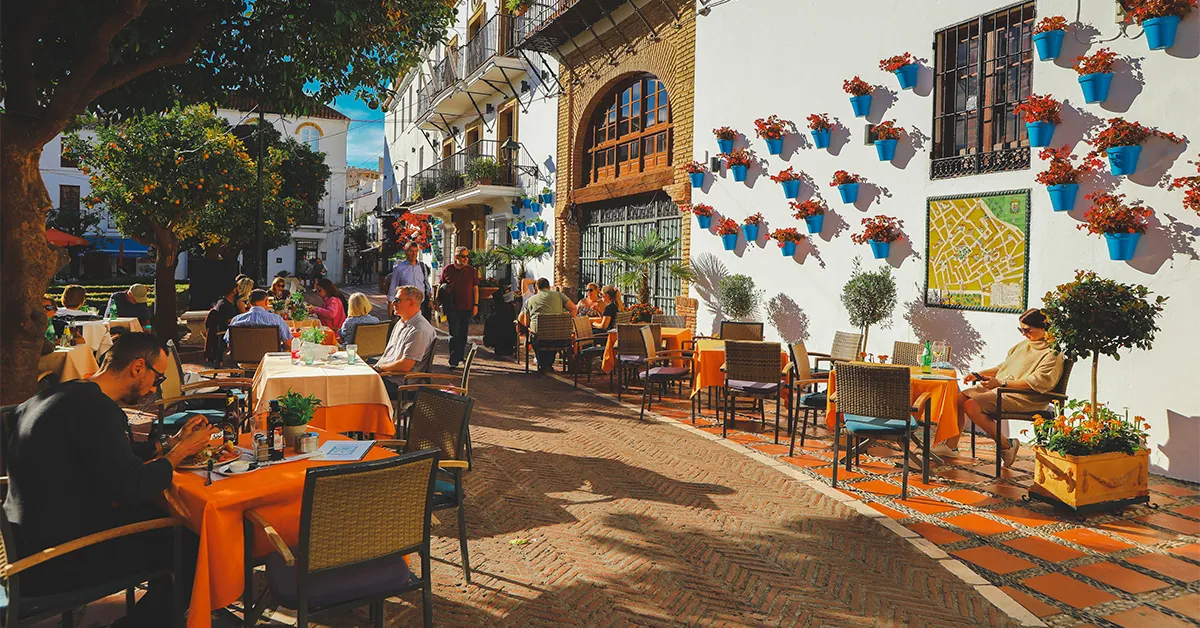
Seville – culinary guide
Seville offers a wide selection of restaurants serving traditional Andalusian tapas. Many establishments are concentrated around Plaza de España and the Santa Cruz district. Popular dishes include solomillo al whisky (pork tenderloin) and rabo de toro (oxtail). It is worth starting your culinary exploration in this area, where atmospheric interiors and traditional recipes combine with the modern creativity of the chefs.
These restaurants are worth visiting:
- Fatouch – a distinctive fusion of Mediterranean cuisine
- Alimentari E Diversi – Italian accents with a Spanish twist
- Restaurante & tapas El Sella – traditional tapas with a modern twist
- Abaceria del Postigo – authentic home cooking
- Gascona – specialising in dishes from northern Spain
Malaga – flavours of the Costa del Sol
Malaga is a paradise for seafood lovers. Restaurants such as El Pimpi offer traditional Andalusian snacks and dishes made from local produce, including fresh sardines (espetos) fried in olive oil. The best places are concentrated in the historic centre, right next to the port, offering both traditional seafood platters and original compositions by chefs.
Trip Advisor recommends the highest-rated restaurants by customers:
- Budare Venezuelan Food – discover a fusion of Venezuelan flavours with Andalusian accents
- Dynamit – modern fusion cuisine in the heart of traditional Malaga
- Mezcal Gastrobar – Mexican flavours meet local products
- La Caravana – Cocina Viajera – a culinary journey around the Mediterranean
- Arrebato Gastrotaberna – traditional tapas with a modern twist
Granada – Moorish heritage on a plate
In Granada, appetisers are often served free of charge with drinks. Simply order a coffee or wine to receive local specialities such as tortilla española or gazpacho. Restaurants in the city centre and around the Alhambra serve local specialities and dishes from the Moorish culinary heritage with a modern twist.
Top 5 restaurants rated highest by customers:
- Antojitos Mexican Food – Mexican flavours with a Spanish soul
- Margarita Empanadas Argentinas – Argentine empanadas with a local twist
- Restaurante Versos Sueltos – poetry on a plate and in a glass
- La Telefonica – a modern interpretation of classic flavours
- Aisushi Restaurante Arabial – Japanese precision meets Andalusian products
Marbella – elegance by the Mediterranean Sea
Marbella offers elegant seaside restaurants specialising in Mediterranean cuisine. Popular dishes include seafood paella and fresh fish. You will also find luxurious restaurants serving fusion cuisine. In the evening, it is worth heading to the beach clubs to enjoy tapas accompanied by music and sea views.
Customers rate these restaurants highest:
- Box Kitchen Marbella – modern cuisine in a boutique setting
- Yabaof – a fusion of flavours from around the world
- Nativo Restaurant – a return to the roots of Andalusian cuisine
- Timonel Marbella – seafood specialities in elegant surroundings
- Mini India Elviria – Indian spices meet Spanish products
Fuengirola – family-friendly atmosphere
Fuengirola is dominated by seaside restaurants serving fish and seafood, as well as traditional Andalusian appetisers. Places such as Los Marinos José are recommended for the quality of their dishes and local wine. The family-friendly and seaside atmosphere means that these establishments also offer vegan and gluten-free options, so tourists of all ages will find something to suit their tastes.
We encourage you to visit the highest-rated restaurants among customers:
- Bollywood Indian Restaurant Fuengirola – Indian flavours with a sea view
- Namaste Fusion – Asian-Mediterranean fusion of flavours
- Kamasutra Indian Restaurant – spicy curries and traditional tandoori
- Nilo Restaurant – exquisite cuisine at an affordable price
- Restaurante Aesgaya – Asturian specialities by the Mediterranean Sea
Practical tips for visitors to Andalusia
What transport to choose?
The easiest way to get to Andalusia is by plane, as the region has six airports. The two main international airports are in Malaga and Seville, which offer numerous connections to major cities in Spain and other countries. Flights are operated by both Spanish and international airlines. In addition, there are four domestic airports in Andalusia: Almería, Córdoba, Granada and Jerez de la Frontera (province of Cádiz), which facilitate travel between regions of Spain.

Low-cost airlines such as Ryanair offer flights to Malaga from Warsaw and Krakow, which is one of the cheapest options for holidaymakers from Poland. Flights operate twice a week and may be slightly less frequent during the autumn season. If direct flights are not convenient, you can also fly to Madrid and then take the RENFE train or ALSA bus to Malaga. The ALSA bus journey takes about 6 hours, and tickets start at £20, while the train takes 3-4 hours, but tickets are more expensive (from around £40).
Getting there from the airport
Malaga Airport is located about 8 km from the city, and the journey to the centre of Malaga takes about 15-20 minutes. The cheapest option is the city bus (line 19) for around €1.10 or the train for €1.50. Taxis are also available and cost between €15 and €20 depending on the time of day.
Transport and getting around Andalusia
Andalusia has a well-developed public transport network, making it easy to travel around the region. The best option is RENFE trains, especially the high-speed AVE connections between major cities such as Seville, Malaga and Cordoba. Although these trains can be more expensive, it is worth booking your tickets in advance to take advantage of special offers. Media Distancia trains are a good option for travellers to smaller towns, as they offer more stops and lower prices.
On 23 April 2025, Renfe launched a direct AVE connection between Seville and Barcelona, eliminating the need to change trains at Atocha station in Madrid. The train runs daily, offering a comfortable journey of just over six hours for the entire route.
Buses are an alternative to travelling by train. The operator ALSA offers affordable connections, although journey times may be longer. For routes between cities such as Seville-Malaga or Seville-Granada, ALSA buses are a popular choice. For those travelling in groups or families, renting a car may be more cost-effective and give you more freedom.
The motorway network (A-7, A-92, A-44) and the possibility of renting a car allow you to move freely between Andalusia’s attractions. A car gives you great flexibility and allows you to discover the hard-to-reach corners of Andalusia, such as the picturesque white villages. The motorway and expressway network is well developed, and many routes run parallel to toll motorways, allowing you to save on tolls.
Flying is a convenient option for those planning to travel longer distances. Domestic flights between Malaga and other cities can be a quick solution, especially when travelling between larger distances.
Hitchhiking is an option for determined travellers, although it is not a very popular method of transport in tourist destinations.
For tourists looking for a unique travel experience, it is worth considering the Al-Andalus Expreso – the Andalusian equivalent of the famous Orient Express, offering picturesque routes and luxurious travel conditions between historical destinations.
Cycling is also a great alternative for active foreigners. Cities such as Malaga have numerous bike rental shops, allowing you to explore the cities from a different, more sustainable perspective.
Regardless of your chosen mode of transport, Andalusia offers many options for efficient and comfortable travel around the region.
Best time to visit
The best time to visit Andalusia is in spring and autumn. During these seasons, the weather is milder, which is conducive to both city sightseeing and hiking in national parks. Spring is a time of blooming flowers and lush vegetation, making it the perfect time to visit cultural attractions. Autumn offers equally pleasant conditions and allows you to avoid the summer crowds.
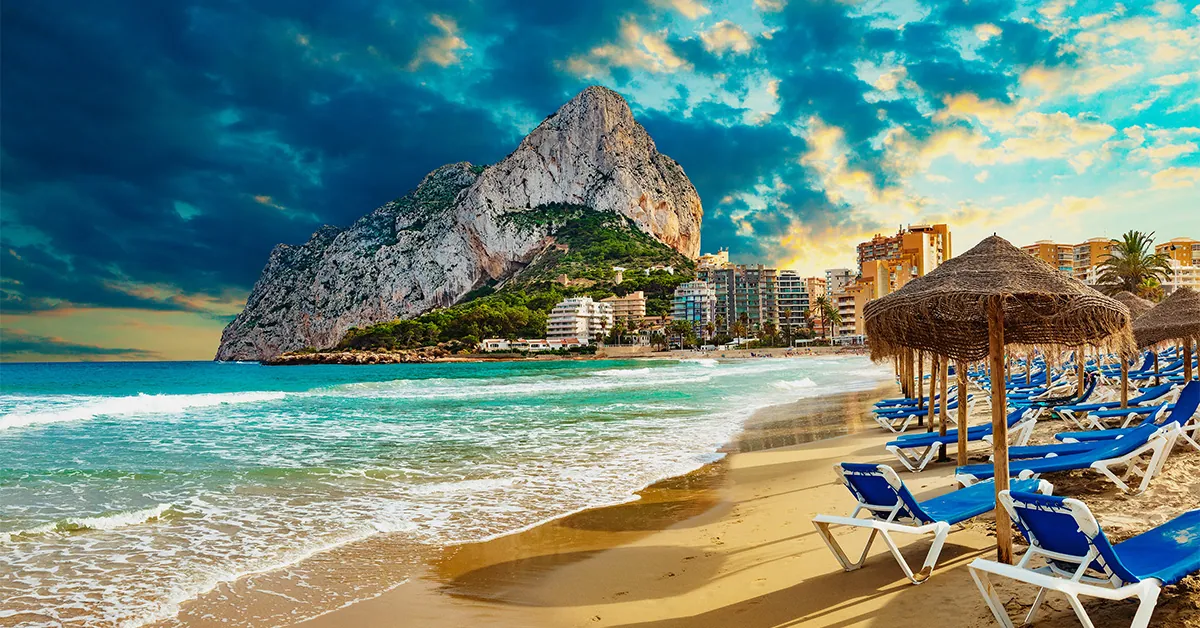
For sunbathers, the best time to visit is summer, especially from June to September, when temperatures reach up to 30°C and the sea is warm. Those planning a more active holiday, e.g. water sports, will find numerous diving, windsurfing and canoeing equipment rental shops on the Costa del Sol during this period.
Here is an overview of average temperatures in Andalusia throughout the year:
| Month | Daytime temperature | Night-time temperature |
|---|---|---|
| January | 17°C | 8°C |
| July | 29°C | 20°C |
| August | 30°C | 22°C |
| October | 23°C | 16°C |
Accommodation
Andalusia offers a wide range of accommodation options, from luxury hotels to charming guesthouses and apartments. Popular places to stay in the region include:
- Hotel Gravina 51 (Seville) – renowned for its high-quality service and excellent breakfasts.
- Ikos Andalusia (Estepona) – a luxury beach resort, ideal for couples and families.
- Helios Costa Tropical (Almuñécar) – a modern hotel with panoramic views and convenient access to the beach.
- Palacio Gran Via (Granada) – an elegant hotel in the city centre with views of the Alhambra.
- Vincci Larios Diez (Malaga) – a stylish hotel in the city centre, ideal for trips to local attractions.
Whatever your preferences, Andalusia offers a variety of accommodation options to suit every tourist’s needs. It is worth booking your accommodation in advance, especially if you are planning to travel during the high season or during popular festivals such as Semana Santa or Feria de Abril.
Language and communication
In tourist areas, you will have no problem communicating in English, but it is worth learning a few basic phrases in Spanish. Spaniards are usually very hospitable and will appreciate it if you try to speak their language. Essential phrases that may come in handy are: “Good morning” (Buenos días), “Thank you” (Gracias) and “Excuse me” (Perdón).
Outdoor activities and sports
Andalusia is a paradise for lovers of active leisure. You can go trekking along the picturesque Caminito del Rey trail, which is 7.7 km long and offers breathtaking panoramic views of gorges and mountains. For water sports enthusiasts, the coast is ideal for windsurfing, especially in places such as Tarifa, where strong winds blow.

Golf enthusiasts will find many renowned golf courses in Andalusia. In the Malaga area, there are courses such as La Cala Golf, San Roque Club and Marbella Club Golf Resort, which offer high-class facilities and picturesque panoramas. Many of these facilities offer golf equipment hire and organise lessons for beginners. In addition, local sports shops offer a wide range of golf accessories and clothing.
Sierra Nevada Ski Resort offers 115 ski runs on peaks reaching 3,300 metres above sea level, making it the southernmost winter sports destination in Europe. This is a unique opportunity to ski in the morning and enjoy the Costa del Sol in the afternoon.
Don’t forget the numerous cycling routes that stretch along the coast and in the mountainous regions, as well as the diving opportunities in the Costa Brava area, where you can admire the rich underwater world.
Attractions and monuments of Andalusia worth visiting
1. For history and culture lovers
Andalusia is a paradise for history enthusiasts. The region abounds in impressive monuments that transport you back in time and reveal the complexity of coexisting cultures.
- The Alhambra in Granada – a symbol of Moorish architecture, a palace complex with beautiful gardens and views that continues to fascinate with its rich history.
- Catedral Mezquita in Córdoba – one of the most important works of Islamic architecture in Europe, converted into a cathedral from a former mosque, where you can feel the spirit of different eras.
- Seville Cathedral and Giralda – a Renaissance cathedral with a majestic tower, once a minaret, and the Alcázar, a royal palace that is a perfect example of a combination of architectural styles.
- Ronda – Andalusia’s most beautiful city on a cliff with the monumental Puente Nuevo bridge, offering spectacular views of the gorges, reminiscent of its dramatic history and ancient times. Ronda is 130 km from Malaga Airport.
- Roman Theatre Museum – Contains the ruins of a Roman theatre, one of the largest in ancient Spain, and interactive historical exhibitions.
2. For nature and adventure seekers
Andalusia is not only about historical monuments, but also stunning landscapes and opportunities for active leisure.
- Cabo de Gata Nature Reserve (Almería) – a wild, volcanic coastline with cliffs and picturesque beaches, perfect for diving, hiking and bird watching enthusiasts. It is a unique nature park with semi-desert vegetation and pristine beaches.
- Sierra de Baza mountain range (Granada) – ideal for those looking for less frequented trails where you can discover mountain views and a variety of fauna and flora.
- Doñana National Park – one of the most important nature reserves in Europe, ideal for nature lovers. Here you can observe rare bird species, including flamingos, and discover unique ecosystems. 4×4 tours allow you to get close to the Iberian lynx population – one of the most endangered cat species in the world.
- Puente Romano – a historic Roman bridge over the Guadalquivir River, the symbol of Cordoba, surrounded by beautiful scenery of the old town and the Mezquita.
3. For fans of relaxation and rest
If you dream of a peaceful holiday surrounded by nature or by the sea, Andalusia offers many opportunities for relaxation.
- The coast is famous for its long, sandy beaches and excellent sunbathing conditions. It is the perfect place for lovers of seaside relaxation and water sports.
- Malaga Cathedral (La Manquita) – a relaxing stroll through Malaga’s old town, ending with a visit to the impressive cathedral, where you can rest in the shade of its historic walls.
- Arab baths in Jaén – a unique place that offers the opportunity to relax in a historic setting, with perfectly preserved baths from the 11th century.
4. For festival and local culture enthusiasts
A region full of colourful festivals and traditions that showcase the energy and passion of its inhabitants.
- Semana Santa (11-20 April 2025) and Feria de Abril (6-11 May 2025) in Seville – these two major festivals attract thousands of tourists every year. Semana Santa features solemn processions involving 60 brotherhoods, while Feria de Abril is a time of dancing, music and colourful costumes at the Los Remedios fairground, filling the streets of Seville with joy and exuberance.
- Feria de Málaga (16-23 August 2025) – one of the biggest summer events in Andalusia, starting with a spectacular fireworks display and a historical parade.
- Plaza de España in Seville – the perfect place to relax and admire the beautiful Neo-Mudéjar buildings and canals, especially during the lively festivals.
5. For families with children
An ideal place for family trips, full of attractions that will appeal to the youngest visitors.
- Oasys Mini Hollywood Park (Almería) – a themed film park where famous Westerns were shot. Children can watch stunt shows and visit a small zoo.
- Cueva de Nerja Cave – a fascinating place full of huge stalactites and stalagmites, with prehistoric paintings that will interest not only children but also adults.
The largest city in Andalusia – Malaga
This city in southern Spain, in the region of Andalusia, is the sixth largest city in the country, with a population of 574,654. In the metropolitan area, this number rises to 1,001,680. Located on the Mediterranean Sea, at the foot of the Baetic Mountains, it is one of the oldest cities in Europe, inhabited since the 8th century BC. It is an important commercial and fishing port, as well as a popular seaside resort on the Costa del Sol, attracting foreigners from all over the world.
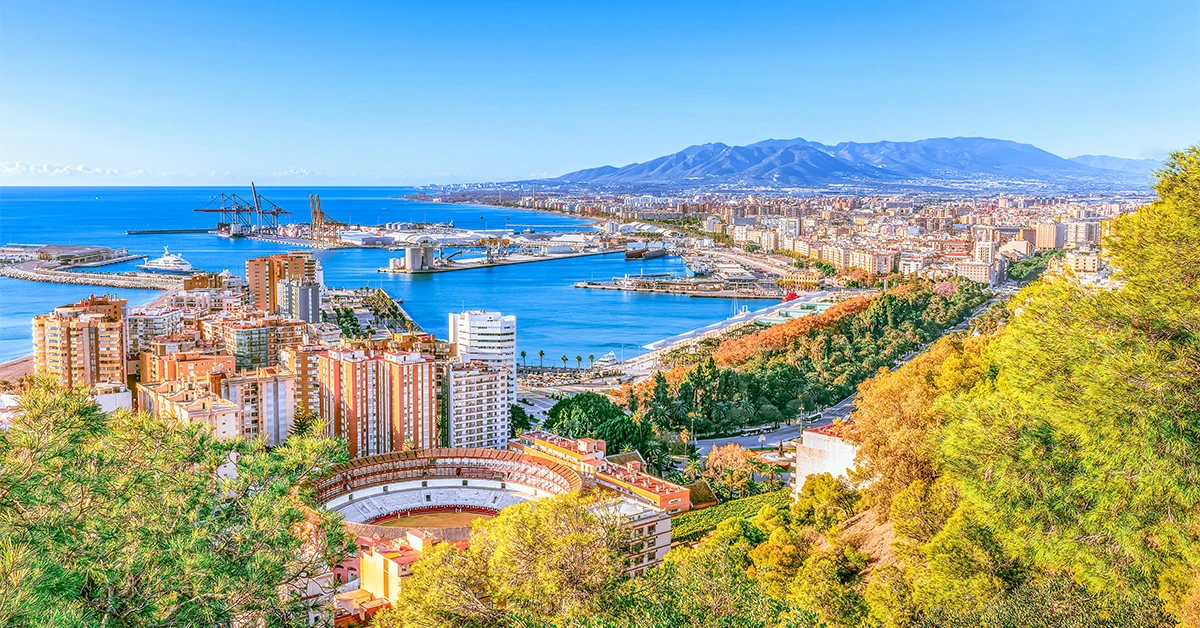
This city has a rich history dating back to Phoenician times. Over the centuries, it was ruled by the Romans and Moors, and eventually became part of Spain, retaining the influences of various cultures. If you want to fully discover the charms of this city, it is worth using the services of a local guide in Malaga, who will help you understand the historical and cultural context of the attractions. Polish guides available in this region can provide a unique experience, leading you through the narrow streets of the Old Town, where you will find beautiful examples of architecture, such as Malaga Cathedral, known as “La Manquita” because of its unfinished tower.
You can also expect to come across many interesting museums during your tour, such as the Picasso Museum, which offers a rich collection of works by this famous artist, or the Museum of Fine Arts, housed in a historic palace. It is also worth visiting Gibralfaro Castle, which offers a beautiful view of the city and the sea. With a local guide, you can learn more about traditional festivals such as the Feria de Agosto, scheduled for 16-23 August 2025, and regional culinary specialities such as tapas and grilled sardines, known as “espetos”.
Your dream home in Spain awaits!
Arrange a free, no-obligation consultation. Leave your details.
Our experts will explain the entire process to you and answer any questions you may have.
Trust our experience. Over 200 properties sold. Licensed agents. Positive reviews and comprehensive services.
Proposed properties
Read other guides on buying property and living in Spain.
Developer properties in Spain – everything you need to know
Buying property on the primary market in Spain is becoming an increasingly attractive option for investors. Modern apartments, developer guarantees…
Author: Katarzyna Szulc
Notarial power of attorney – is it necessary when buying
A comprehensive guide for those who need legal representation. Notarial power of attorney in Spain. Information on how and where…
Author: Karolina PazikCost of living in Spain in 2025
Check out how the cost of living compares to Poland. See if Spain offers favourable conditions for residents. Find out…
Author: Go Spain