Developer properties in Spain – everything you need to know

The Spanish property market is developing rapidly, attracting both investors and those looking for their own home. New developments are regularly put up for sale, and attractive locations, such as those with sea views, quickly find buyers. Buying property on the primary market offers many advantages, such as spreading payments over several stages and the possibility of making design changes. However, in order to safely navigate the entire process, it is worth knowing the specifics of the Spanish market, the differences compared to the Polish market, and the additional costs that you may encounter.
Basic information about the primary market in Spain
The property market in Spain is developing dynamically, with new investments appearing regularly. Although prices are rising and the offer is wide, flats in attractive locations – with sea views and numerous amenities – quickly find buyers. Often, before developers obtain all the necessary permits, 30-40% of flats are already reserved. However, a reservation agreement at such an early stage carries a risk, as the investment may not come to fruition. Only a development agreement provides certainty.

Why is this happening? Developers cannot obtain a loan for the project until they are sure that there is sufficient interest in the offer. Therefore, they prepare visualisations, mock-ups and other promotional materials to start sales. Once they reach a threshold of 30-40% interest, they approach the bank for financing. After obtaining a positive decision and a building permit, they inform customers about the possibility of signing development agreements, which is a key moment in the investment process.
Why are development properties in Spain attracting Polish investors?
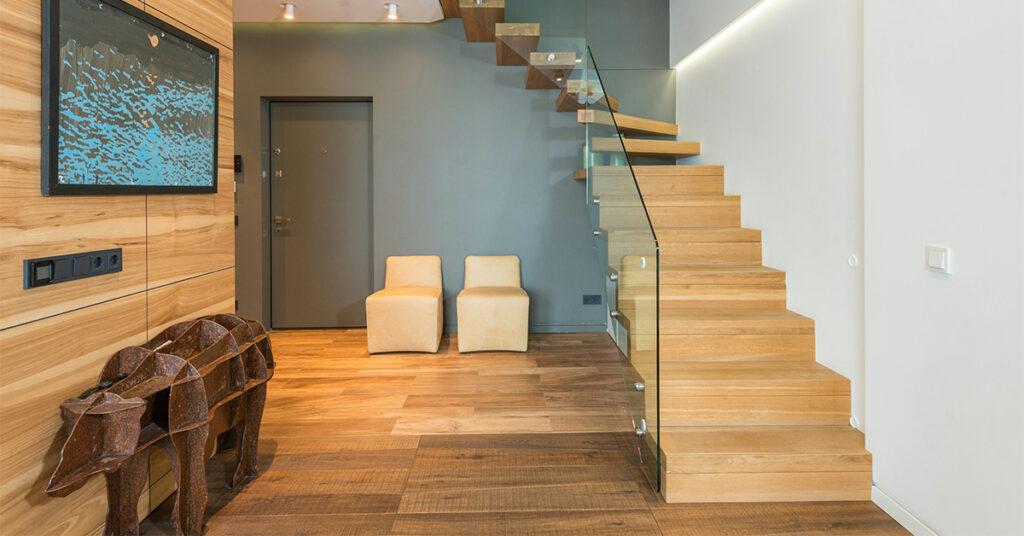
The property market in Spain offers something that is completely new to many Polish investors – flats from developers that are practically “turnkey” finished. This is a stark contrast to the development standard that Poles are accustomed to. Instead of “bare walls” and concrete screeds, in Spain we receive a property that is ready to move into almost immediately after receiving the keys.
Did you know that…? When you first enter a Spanish apartment in a developer’s condition, you may be surprised. You are faced with a finished interior where practically the only thing you need is furniture.
What are the advantages of investing in primary market property in Spain?
Key advantages of investing in development properties:
- Guarantee – Developers offer a guarantee on the installation and individual finishing elements, which gives the buyer the certainty that any necessary repairs will be carried out at the developer’s expense.
- Payment in stages – Purchasing a property on the primary market in Spain allows for payment in instalments, which gives the buyer the opportunity to plan their budget precisely. Payments are usually divided into several stages, which allows funds to be accumulated for subsequent payments without the need to spend large amounts at once.
- Good capital investment – Properties on the primary market in Spain retain their value, and in many cases their price increases as the investment progresses and the infrastructure in the area improves. Apartments in new developments are very popular among tenants, which makes investing in property a profitable venture.
- Possibility to change the design – In properties that are still under construction, buyers have the opportunity to make design changes. This allows them to adapt the interior of the flat or villa to their individual needs and preferences.
- Developer standard – Properties in Spain offered in developer standard are usually finished, which means that the only thing you need to buy is furniture and accessories.
- Luxurious residential complexes and common areas – New residential complexes in Spain are often equipped with numerous amenities, such as swimming pools, green areas, playgrounds, gyms, saunas, barbecue areas and more.
- Available to move in/rent immediately – Properties on the primary market do not require additional financial outlay for renovation, which allows you to move in or rent the property quickly. This is particularly important for people who want to start using the property quickly or profit from renting it out.
Differences between the primary market in Spain and Poland
Buying property on the primary market in Spain differs in several key aspects from the process familiar in Poland. Here are the most important differences:
1. Language
In Spain, all documents related to the purchase of real estate must be signed in Spanish. It is not possible to sign documents in another language, which means that if you are not fluent in Spanish, you will need to use the services of a sworn translator or solicitor to ensure that all documents are correctly understood.
2. The role of a notary
In Poland, every property development agreement must be signed before a notary, which is standard procedure in the property purchase process. In Spain, however, the notary is only involved in the final stage of the process, certifying the deed of transfer of ownership, which formally closes the transaction.
3. The importance of a solicitor
In Spain, hiring a solicitor specialising in real estate is almost essential to ensure a smooth and hassle-free transaction. The solicitor oversees the compliance of all procedures and documents and ensures that the buyer’s interests are fully protected. As part of our services, our clients receive legal support from the renowned law firm Sun Lawyers, which has almost 40 years of experience in the Spanish market.
4. Developer standard
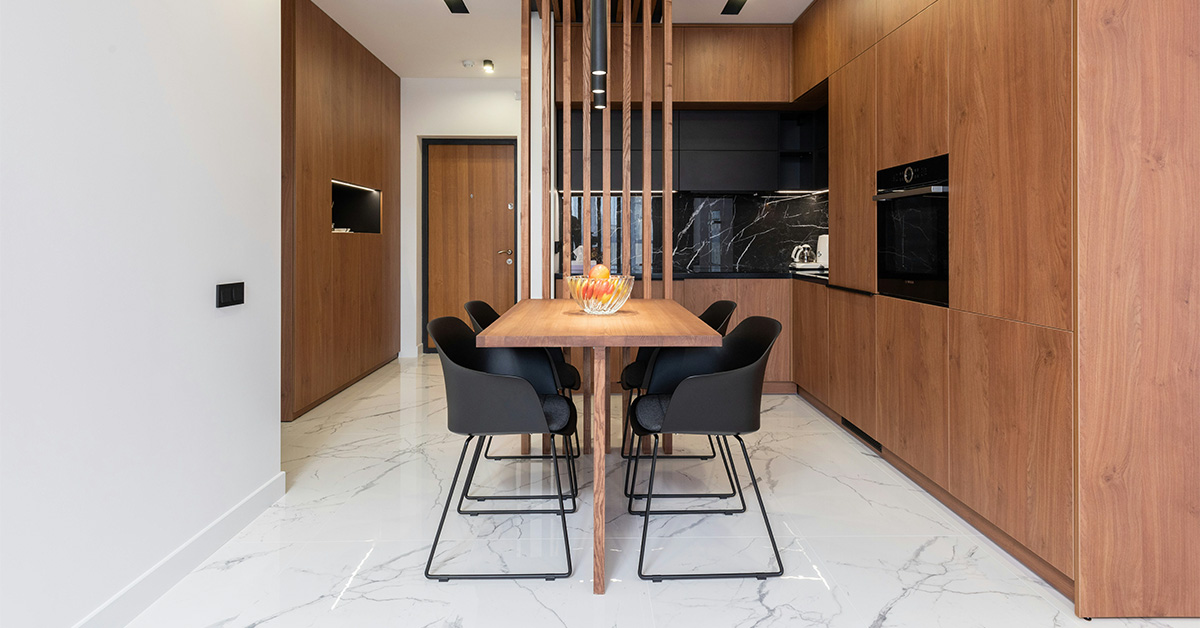
In Poland, when you purchase a property from a developer, you usually receive it in a shell or developer’s standard, which means that you have to finish it yourself. In Spain, on the other hand, properties are delivered in a “turnkey” standard, which means that they are already finished and ready to move into.
What exactly does the developer standard, turnkey finish in Spanish development properties include?
Question: What does the finish of walls and floors in Spanish development properties include?
Answer: In Spanish properties from developers, smooth, painted walls (usually white), finished floors (usually high-quality ceramic tiles or panels) and finished terraces (usually with tiles resistant to outdoor conditions) are standard. The quality of the floor finish is one of the elements that particularly distinguishes Spanish developer properties from Polish ones.
Window and door joinery
The climate in Spain necessitates specific solutions for window and door joinery:
- PVC or aluminium windows with double glazing for better thermal insulation
- Aluminium blinds or external roller blinds – essential in the Spanish climate, where protection from the sun is crucial
- Complete interior doors – fully installed and ready for use
- External security doors – ensuring an adequate level of security
Did you know that…? External roller blinds, which in Poland are often an additional paid option, are standard in Spain. They are not only a safety feature, but above all a practical solution that helps maintain a comfortable temperature indoors during hot Spanish summer days.
Kitchen equipment
The kitchen is where the difference between the developer’s standard in Poland and Spain is particularly noticeable:
- Complete kitchen furniture including worktop
- Sink and tap installed
- Basic household appliances: usually a hob, oven and extractor hood
- Developers often offer full household appliances as part of a promotion, including a dishwasher, washing machine and microwave oven
Standard bathroom finish
Bathrooms in Spanish development properties are another element that pleasantly surprises Polish investors:
- Wall and floor tiles – often with a high standard of finish
- Complete white fittings – washbasin, toilet, bidet (depending on the design)
- Shower cubicle or bath – fully installed and ready for use
- Bathroom taps – usually of good quality
- Vanity unit – providing storage space
- In some designs, underfloor heating in bathrooms
What is the standard of development in Spain? Comparison with Poland
The main difference between the primary market in Spain and Poland lies precisely in the standard of finish. The table below clearly shows these differences:
| Element | Developer standard in Poland | Developer standard in Spain |
|---|---|---|
| Walls | Plastered, sometimes primed | Finished and painted (usually white) |
| Floors | Concrete screed | Finished with tiles or panels |
| Bathroom | No finish, only connections | Fully finished with fittings |
| Kitchen | No fittings, only connections | Kitchen furniture and basic household appliances |
| Interior doors | None | Installed |
| Wardrobes | None | Often built-in in bedrooms |
Fees associated with purchasing property on the primary market in Spain
Buying property in Spain involves additional costs that need to be factored into your budget. It is worth remembering that the prices quoted by the developer are net prices, to which approximately 13% of the property value must be added in the form of various taxes and fees.
- Net property value: The basic price of the property set by the developer.
- IVA – Spanish VAT: This is 10% of the property value and is a standard charge when purchasing a property.
- Local tax: Depending on the region, it ranges from 1.2% to 2% of the property value (1.5% in Valencia, 2% in Murcia, 1.2% in Andalusia).
- Notary fees and registration fees: Approximately 1.5% of the property value is additional tax costs, which include notary fees and property registration fees.
The process of purchasing property from the primary market
Buying property in Spain is a process consisting of several stages. Below are the most important steps you need to take to become a property owner in Spain. We also encourage you to read our guide, where you will find more details.
The process of purchasing property in Spain:
- Property search – Selecting the right property according to your preferences, location and budget.
- Site visit – Getting to know the property and the surrounding area in person.
- Property reservation – Paying a deposit and securing the property.
- Obtaining an N.I.E. number – Essential for foreigners wishing to invest in Spain.
- Opening a Spanish bank account – Facilitates payments
- Applying for a mortgage (optional) – If you plan to finance your purchase with a loan
- Signing the reservation and development agreement – Formal confirmation of purchase
- Signing the notarial deed – Final transfer of ownership of the property
What does the developer’s guarantee cover in Spain?
One of the important aspects of purchasing a property from a developer is the issue of guarantees. Spanish property development law provides buyers with a number of safeguards that give them a sense of security about their investment. The standard developer’s guarantee in Spain covers:
- 1 year for interior finishing – minor defects such as problems with paint, tiles or fittings
- 3 years for installations – plumbing, electrical, air conditioning
- 10 years for the building structure – foundations, load-bearing walls, ceilings
Additionally, Spanish property development legislation introduces mandatory financial safeguards:
- Bank guarantees for payments made prior to completion of construction
- Protection of advance payments in special escrow accounts
- Guarantee documents “aval bancario” securing the deposited funds
Can changes be made to the design during construction?
One of the biggest advantages of purchasing a property at an early stage of construction is the possibility of personalisation. Developers in Spain often allow for layout changes, which allows you to tailor the flat to your individual needs.
The scope of possible modifications usually includes:
- Choice of wall colours – although white remains the most popular colour due to the atmosphere it creates
- Personalisation of tiles in bathrooms and kitchens
- Choice of flooring type – tiles or panels
- Choosing the colour scheme for kitchen cabinet fronts
- Minor changes to the layout of rooms – provided that they do not interfere with the load-bearing structure of the building
- In some cases, the possibility of creating an additional bathroom or wardrobe
Did you know that…? The possibility of making changes is limited in time. Once construction reaches a certain stage, modifications become impossible or very costly. Therefore, it is crucial to clearly communicate your preferences to the developer at the earliest possible stage.
What amenities do new housing developments offer?
New development projects in Spain are not just apartments, but often entire leisure complexes with extensive infrastructure. Common areas are an important element of a property’s value and are often the main argument for choosing a particular investment.
Standard amenities in new developments include:
- Swimming pools – often for both adults and children
- Landscaped green areas – gardens, parks, walking paths
- Children’s playgrounds
- Gyms and sports areas – tennis courts, padel courts
- Spa areas – saunas, jacuzzis
- Barbecue and leisure areas
- Underground garages and storage rooms
What does the technical acceptance of a flat from a developer look like?
The technical inspection of the property is a crucial moment in the purchase process. This is the time when you should thoroughly check the condition of the flat and report any defects that should be fixed by the developer before the final handover of the keys.
What to pay attention to during technical acceptance:
- Condition of walls and ceilings – cracks, discolouration, unevenness
- Quality of floor finish – evenness of tile laying, no damage
- Functioning of window and door frames – correct opening and closing
- Efficiency of the water system – water pressure, tightness
- Functioning of the electrical system – sockets, switches, lighting
- Functioning of household appliances – if included
- Finish of the terrace/balcony – drainage, railings
What documents should I receive from the developer along with the property?
Upon handover of the property, the developer should provide the buyer with a complete set of technical and administrative documents. Possession of this documentation is not only a legal requirement, but also a practical necessity in the event of subsequent renovations or sale.
The standard package of documents includes:
- Energy certificate (Certificado de Eficiencia Energética) – specifying the energy efficiency of a building
- Building logbook (Libro del Edificio) – containing detailed information about the structure, installations and maintenance guidelines
- Technical plans – architectural, electrical, plumbing
- Instructions for operating devices and systems installed in the property
- Warranty certificates for individual finishing and furnishing elements
- Documents confirming that a legal occupancy permit (Licencia de Primera Ocupación) has been obtained
- Certificate of compliance with the design (Certificado Final de Obra)
Are new properties energy efficient?
In response to growing energy efficiency requirements, new development projects in Spain are increasingly incorporating environmentally friendly and energy-efficient solutions. This is not only a result of legal regulations, but also a response to customer expectations, especially in Northern Europe, where environmental awareness is high.
Standard energy-saving solutions in new developments include:
- Advanced thermal insulation – particularly important in the Spanish climate, where keeping cool in summer is a priority
- Double-glazed windows with low heat transfer coefficients
- Energy-efficient air conditioning systems – often with heat pump functionality
- Solar panels for domestic water heating – mandatory in many new buildings
- Efficient ventilation systems with heat recovery
- LED lighting in common areas
- Intelligent energy management systems in high-end developments
What does the process of developing the land around the new investment look like?
Attractive landscaping is one of the key elements contributing to the value of a new development. Developers in Spain attach great importance to the quality of common areas, especially in projects aimed at foreign investors.
As standard, the process of developing external areas includes:
- Construction of swimming pools – often for both adults and children
- Creation of relaxation areas – sun loungers, canopies, gazebos
- Establishment of green areas – gardens, green spaces, plantings
- Construction of sports infrastructure – sports fields, tennis courts
- Installation of outdoor lighting
- Creation of parking and communication areas
Did you know that…? Maintaining common areas involves regular administrative fees (gastos de comunidad), which are divided proportionally among all owners. The amount of these fees depends on the standard and range of amenities – the more swimming pools, greenery and additional attractions, the higher the maintenance costs.
Summary – why should you consider purchasing a property from a developer in Spain?
Purchasing property from a developer in Spain is a solution that offers a number of significant benefits for investors, especially those from abroad. High standards of finish, the convenience of a turnkey solution and legal safeguards make this an option worth considering.
Your dream home in Spain awaits!
Arrange a free, no-obligation consultation. Leave your details.
Our experts will explain the entire process to you and answer any questions you may have.
Trust our experience. Over 200 properties sold. Licensed agents. Positive reviews and comprehensive services.
Proposed properties
Read other guides on buying property and living in Spain.
Developer properties in Spain – everything you need to know
Buying property on the primary market in Spain is becoming an increasingly attractive option for investors. Modern apartments, developer guarantees…
Author: Katarzyna Szulc
Notarial power of attorney – is it necessary when buying
A comprehensive guide for those who need legal representation. Notarial power of attorney in Spain. Information on how and where…
Author: Karolina PazikCost of living in Spain in 2025
Check out how the cost of living compares to Poland. See if Spain offers favourable conditions for residents. Find out…
Author: Go Spain