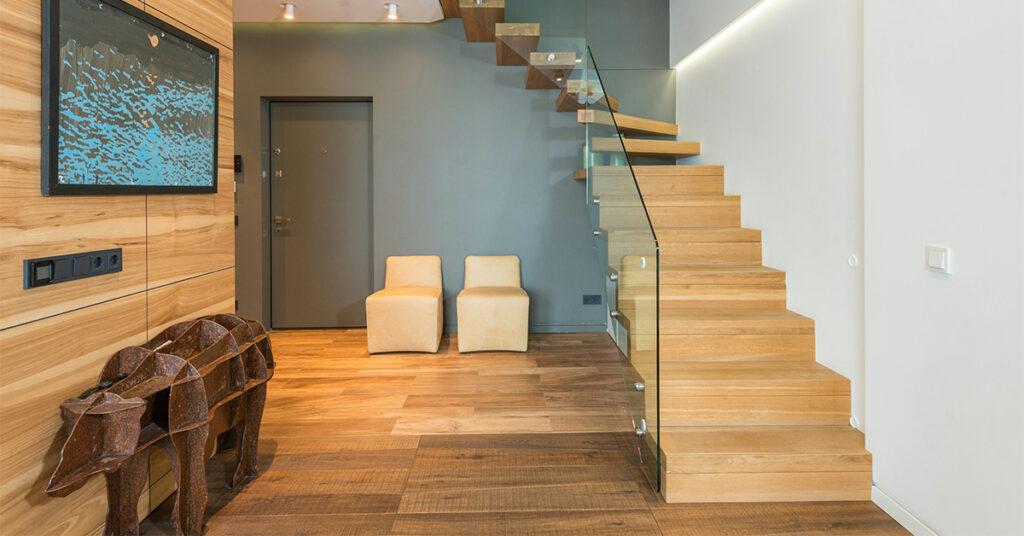
Buying property in Spain in 8 steps


The process of purchasing property in Spain is different from what we are used to in Poland. Our estate agency, GoSpain, will assist you at each of the stages described below.
Step 1. Assessing the client’s needs and selecting a set of properties to view

At this stage, we contact the client by phone and determine their preferences regarding the property.
The most important information we need from a potential customer in order to select the right offer is:
-
- The place where the buyer wants to purchase the property – approximate location of the property.
- Intended use of the property – own use or rental. This is important in the context of, for example, a tourist license.
- Type of property: apartment, bungalow, house, villa, etc.
- The budget allocated for the purchase of real estate. This is quite an important point because real estate varies in price range – You can read more about price ranges in our guide – What can I expect from properties in different price ranges.
- Additional information about amenities: E.g., sea view/distance from the sea, swimming pool, parking space, etc.
- Readiness to travel to Spain (for an investment visit). We present properties in Spain to each of our clients in person.
Based on the information provided during the phone call, we select properties that meet your criteria and configure an offer, which we deliver by email and via the customer panel, along with any additional information.
Step 2. Arrival in Spain and selection of real estate
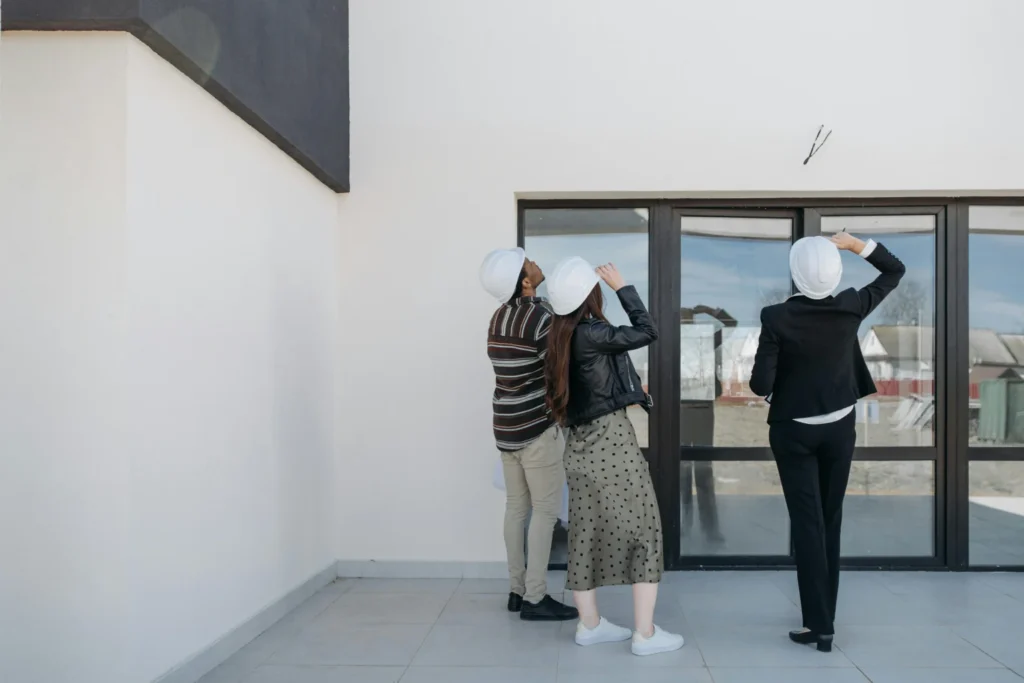
We organize investment visits so that you can see selected offers “live” and get to know the region where the property is located. Depending on the distance between properties, we are able to present you with 3 to 5 offers per day.
It is worth knowing that if you are determined to buy a property, the decision to come should be made fairly quickly, and this is by no means artificial pressure. The best properties in interesting locations can sell out even at the very early stages of sale. The real estate market in Spain is very dynamic, currently attracting buyers from most European countries. They are encouraged by the excellent climate, long season, and the desire to own a vacation home.
- passport or ID card and two copies of this document
- two color photos, 3×4 cm in size
- proof of payment for issuing the document
- completed EX-15 form
- document justifying the purpose of obtaining a NIE number, e.g., a reservation agreement for the purchase of real estate.
Step 3. Purchase decision
If you decide to purchase a property in Spain, we formally enter into cooperation with you and from that moment on, we accompany you throughout the entire formal process, from signing the reservation agreement to receiving the keys, including legal, banking, and notary services. We also help you obtain a loan, if necessary. Please note that our agency’s assistance in purchasing real estate and legal activities is free of charge, and real estate prices in Spain do not vary between agencies.
If you see a property price on a competitor’s website that is lower than in our catalog, it means that the competitor has not updated their prices. At GoSpain, we inform you about all the costs you will incur in connection with the purchase of a property in a reliable and honest manner. We want the property purchase process to be clear and understandable for you.
Step 4. Property reservation and purchase process

Once we have decided to purchase a property on the primary market, as buyers we have to go through several stages. As a rule, the properties are still under construction, and the completion date is between six months and a year and a half. The process is as follows:
- Legal review. Once you have decided to purchase a property with our agency, we will conduct a legal review of the property itself, the contract, and the developer’s status at the reservation stage. The Sun Lawyers Law Firm, which cooperates with us, will check the property you have chosen in terms of many aspects, including whether a building permit has been granted, whether the property is free of debt and whether it is free of credit. We work exclusively with developers who offer transaction security.
- Property reservation. This takes place when the purchase decision is made. Based on the reservation agreement, the customer pays between €3,000 and €10,000 on the basis of the reservation agreement, which is already checked at this stage by Sun Lawyers, a law firm that has been cooperating with us for many years. Signing the reservation agreement and paying the deposit will ensure that the selected property is withdrawn from the developer’s offer to other buyers.
- Signing a private real estate purchase agreement. This takes place within 1-3 months of signing the reservation agreement. At this stage, depending on the developer, 20% – 40% of the property value is paid. In the case of some developers – usually when building a house in Spain, payments are made in installments, as construction progresses.
- Notarial deed. The purchase process is officially completed when the Notarial Deed is signed by both parties – the seller and the buyer – in the presence of a State Notary and a sworn translator, as the deed is signed in Spanish. Upon signing, the seller transfers the title deed to the buyer, and the buyer pays the remaining amount – approximately 60-70% of the property value minus the reservation fee. The notarial deed will be entered in the property register (Registro de la Propiedad).
Step 5. Obtaining a NIE number and opening an account with a Spanish bank
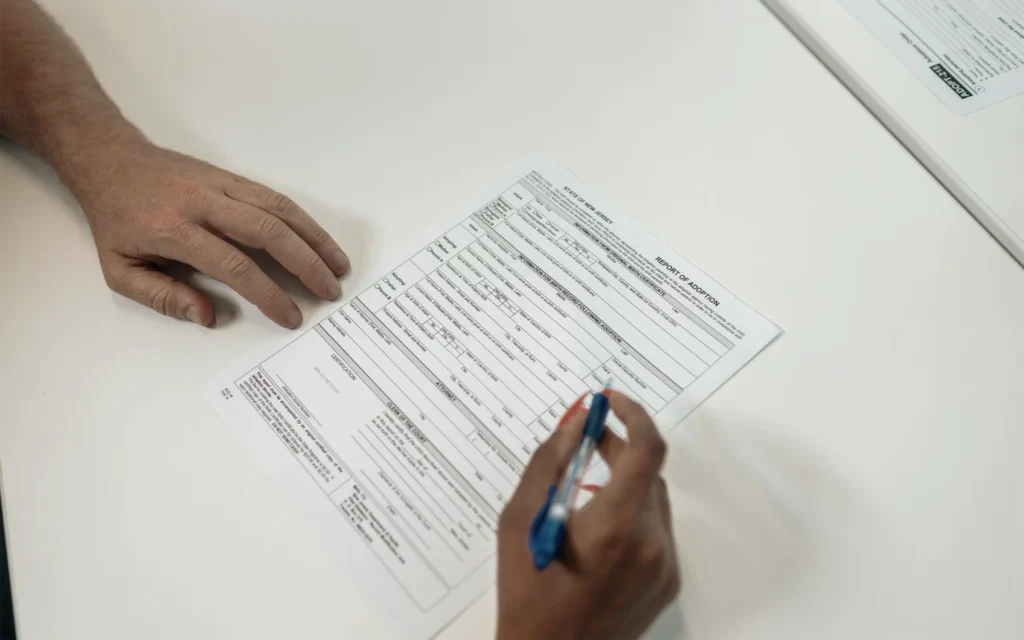
Before signing the notarial deed, it is necessary to open an account with a Spanish bank and obtain a so-called NIE number – this is a foreigner identification number.
A bank account is necessary to pay all Spanish taxes related to the purchase and maintenance of real estate, and to link them to fixed operating costs (rent, energy and water bills), which are automatically debited from the account. A Spanish bank account is also required if you wish to take out a mortgage with a Spanish bank.
Documents required to open an account with a Spanish bank:
- Passport or ID card
- N.I.E. number
NIE number (Número de Identidad de Extranjero) – is a tax identification number in Spain. It is required when dealing with any official or legal matters in Spain. It is necessary when purchasing real estate, a car, many fixed assets, or signing contracts with utility providers, as well as for settlements with the Spanish tax office (property taxes, taxes on rental income).
We provide our clients with comprehensive services related to opening a bank account and obtaining a NIE number. An additional day should be allocated for this in the case of an investment visit related to the selection of real estate in Spain.
As part of our offer, we provide support in opening a bank account and obtaining a NIE number. We recommend reserving an extra day during your investment visit, which is aimed at selecting a property in Spain. Our agents at GoSpain will ensure that the entire process is carried out without any unnecessary problems.
Step 6. Mortgage for purchasing real estate in Spain for foreigners

Our agency supports clients in obtaining a mortgage for the purchase of real estate in Spain, if necessary. In Spain, you can apply for a loan of up to 70% of the net value of the property for married couples (as a rule, it is easier for married couples because the “risk is spread between two people”) and up to 60% for couples who are not currently married. Kredyt Bankowy does not finance taxes. The documents required for scoring are: PIT certificates for the last 2 years, certificates of loans held in Poland – BIK report, current account statements of income and expenses for the last 6 months, in the case of full-time employees, an employment contract/contract must be provided, and in the case of self-employed persons, relevant statements and entries in registers.
Step 7. Costs of purchasing real estate in Spain

The price of developer properties in Spain is quoted as a net amount. 13% of the property value must be added to the quoted price, which consists of all taxes and fees. These include:
- IVA, Spanish VAT – 10% of the property value,
- Local tax – 1.5% is the tax on the purchase of real estate in the Valencia region, 2% in the Murcia region, and 1.2% in Andalusia.
- Approximately 1.5% of the property value is additional tax costs, including notary fees, entry in the land and mortgage register, and entry in the register.
For more information on the costs of buying a home in Spain, read our guide for 2024, – Costs of buying property in Spain in 2024.
Step 8. What to look out for when buying a house in Spain. The most common mistakes
Our company not only deals with the sale of homes on the Costa Blanca and Costa del Sol, but also manages our clients’ properties. We are familiar with the Spanish market and its advantages and disadvantages. We know what mistakes are most often made by people who want to buy a house in Spain. We are happy to share this knowledge with you.
The most common mistakes when buying property in Spain
- Inaccurate financial planning and lack of specific deadlines – Before you start looking for a property, it is worth determining precisely how much money you have at your disposal and what your possible sources of financing are. It is also important to specify when you want to finalize the purchase.
- Lack of knowledge about additional transaction costs – Approximately 13% should be added to the price of the property to cover fees such as taxes (ITP or VAT), legal, notary, and registration costs, as well as any bank commissions.
- Using all your savings – Allocating all your funds to the purchase of real estate, without leaving any money for furniture or unforeseen expenses, can be risky.
- Signing loan agreements without thorough analysis – It is important to compare offers from several banks before deciding on a mortgage. Negotiations with the bank are crucial, as there is always a possibility of obtaining better terms.
- Neglecting property maintenance costs– Owners must be aware of costs such as property tax (IBI), garbage collection, community fees, utilities (electricity, water, internet), as well as possible costs of garden maintenance, cleaning, or insurance.
- Lack of knowledge about the area – Some buyers choose a location based on recommendations from friends. It is always a good idea to visit the region yourself, whether it is the Costa del Sol or the Costa Blanca, to get to know the area at your own pace and find a place that perfectly suits your needs.
FAQ – Pytania i odpowiedzi
Najczęstsze i najważniejsze pytania i odpowiedzi, które słyszymy od klientów naszej agencji nieruchomości.
Zakup nieruchomości w Hiszpanii wygląda nieco inaczej niż w Polsce, ale agenci z naszego biura nieruchomości przeprowadzą Cię przez cały proces zakupu i pomogą we wszystkich sprawach.
Podatek od zakupu nieruchomości wynosi 1,5% w regionie Walencja, 2% w regionie Murcia, 1,2% w Andaluzji. Należy jednak pamiętać, że ceny nieruchomości podawane są w kwocie netto, do której należy doliczyć około 13% wartości nieruchomości, na które składają się wszystkie podatki i opłaty.
Tak, oferta nieruchomości w Hiszpanii jest bogata. Oferuje przystępne ceny nieruchomości w różnych regionach Hiszpanii. Może to być dobra inwestycja z wynajmu, ponieważ Hiszpania jest coraz częściej wybieranym krajem przez turystów.
Do ceny nieruchomości należy doliczyć około 13% na pokrycie opłat takich jak podatki (ITP lub VAT), koszty prawne, notarialne, rejestracyjne, a także ewentualne prowizje bankowe.
Agenci z naszego biura przedstawią kilka ofert nieruchomości najbardziej dostosowanych do preferencji naszego Klienta. Po wyborze kilku z nich, umawiamy się na oględziny nieruchomości w Hiszpanii i czekamy na decyzję zakupową naszego Klienta. Jesteśmy obecni przy podpisaniu umowy rezerwacyjnej oraz wspomagamy na każdym procesie zakupu. Pomagamy w uzyskaniu kredytu oraz w uzyskaniu niezbędnych dokumentów.
Para, która nie jest w związku małżeńskim może uzyskać do 60% netto wartości nieruchomości lub do 70% w przypadku małżeństw.
Czas oczekiwania na nieruchomość z rynku pierwotnego wynosi od 6 miesięcy do 18 miesięcy.
Najlepszymi regionami do zakupu nieruchomości jest Costa Blanca i wybrzeża Costa del Sol oraz miejscowości jak Benidorm, Alicante, Estepona, Torrevieja, Calpe i Beñalmadena.
Tak, obywatele Unii Europejskiej mogą bez problemu kupić nieruchomość w Hiszpanii.
Numer NIE to numer identyfikacji obcokrajowców, niezbędny do załatwienia formalności, w tym zakupu nieruchomości.
Potrzebne są paszport lub dowód osobisty, numer NIE oraz dokumenty finansowe, jeśli korzystasz z kredytu hipotecznego.
Tak, jeśli nieruchomość jest przeznaczona na wynajem, warto upewnić się, że w miejscowości, w której chcesz kupić nieruchomość można uzyskać licencję turystyczną.
Warto samodzielnie odwiedzić region, by zapoznać się z okolicą i sprawdzić, czy spełnia Twoje oczekiwania. Ważna jest bliskość lotniska, szkół, sklepów czy placówek medycznych.
Do najczęstszych błędów należą: niedoszacowanie budżetu, nieznajomość dodatkowych kosztów, brak rozeznania w okolicy oraz niewłaściwe planowanie finansowe.
Your dream home in Spain awaits!
Arrange a free, no-obligation consultation. Leave your details.
Our experts will explain the entire process to you and answer any questions you may have.
Trust our experience. Over 200 properties sold. Licensed agents. Positive reviews and comprehensive services.
Proposed properties
Read other guides on buying property and living in Spain.
Developer properties in Spain – everything you need to know
Buying property on the primary market in Spain is becoming an increasingly attractive option for investors. Modern apartments, developer guarantees…
Author: Katarzyna Szulc
Notarial power of attorney – is it necessary when buying
A comprehensive guide for those who need legal representation. Notarial power of attorney in Spain. Information on how and where…
Author: Karolina PazikCost of living in Spain in 2025
Check out how the cost of living compares to Poland. See if Spain offers favourable conditions for residents. Find out…
Author: Go Spain