Parking in Spain – What do you need to know?

Parking zones in Spain and their colours
The key to understanding the parking system in Spain is to familiarise yourself with the colours of the lines that mark the different parking zones. Here is a detailed explanation:
- White zone – means free parking. However, please note any time restrictions or days on which parking is permitted. In such cases, it is worth paying attention to road signs.
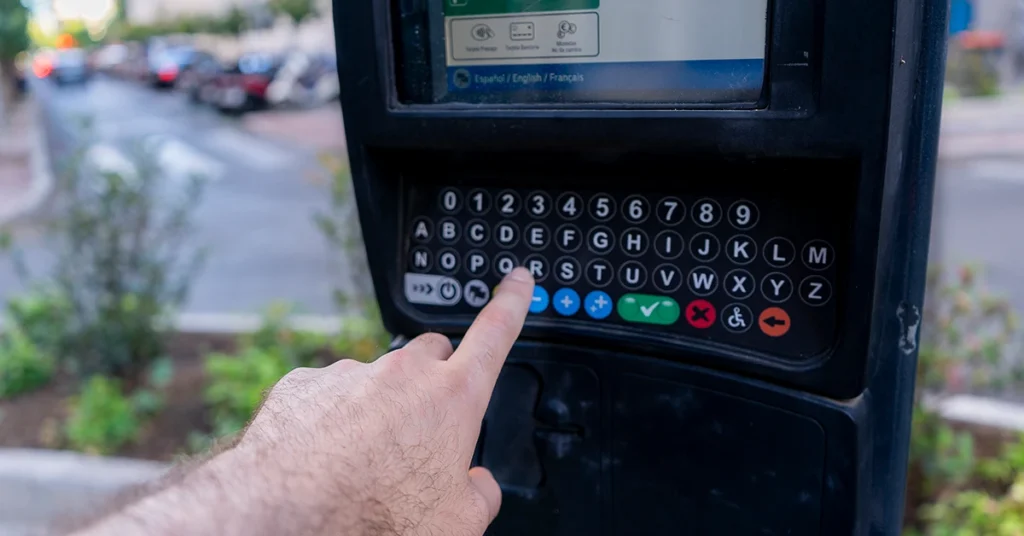
- Blue zone – paid parking zone. Fees must be paid at parking meters and the receipt placed behind the windscreen. There are times when parking is free, e.g. at night or on weekends.
- Green zone – reserved exclusively for residents of a given street. Tourists and visitors are advised to avoid these places.
- Yellow zone – means no parking or stopping. Pay particular attention to solid yellow lines, which indicate a total ban. A broken solid line allows you to stop, e.g. to leave your car.
Parking in Spain – What should I know?
Exploring Spain by car can be a convenient option. However, parking your car in Spain is a task that requires drivers to know more than just the colourful road markings. In this sunny country, obeying traffic rules is a priority. What should you pay special attention to when driving in Spain?
– Restricted access zones – created to reduce pollution and improve air quality. Entering these zones without proper authorisation may result in a fine.
– Obey local signs – which indicate when parking is permitted and inform you of any time restrictions.
– Parallel parking – this is the most common way of parking in urban areas in Spain. It is essential to leave enough space between vehicles and ensure that the car is parked close to the kerb.
– Market days – on these days, some streets are closed to traffic (cars and other vehicles). Information about them is usually provided on notice boards well in advance.
– Parking spaces reserved for disabled people – these are strictly enforced, and unauthorised parking in such a space carries severe consequences, which are described in more detail below.
Where to park your car in Spain?
Spaniards usually park their cars directly on the road or in bays. Cars must remain with all four wheels on the road. This is different from Poland, where cars are often parked partially on the pavement. In Spain, the wheels of the car should not even touch the kerb.
See also: Where to park for free in Alicante?
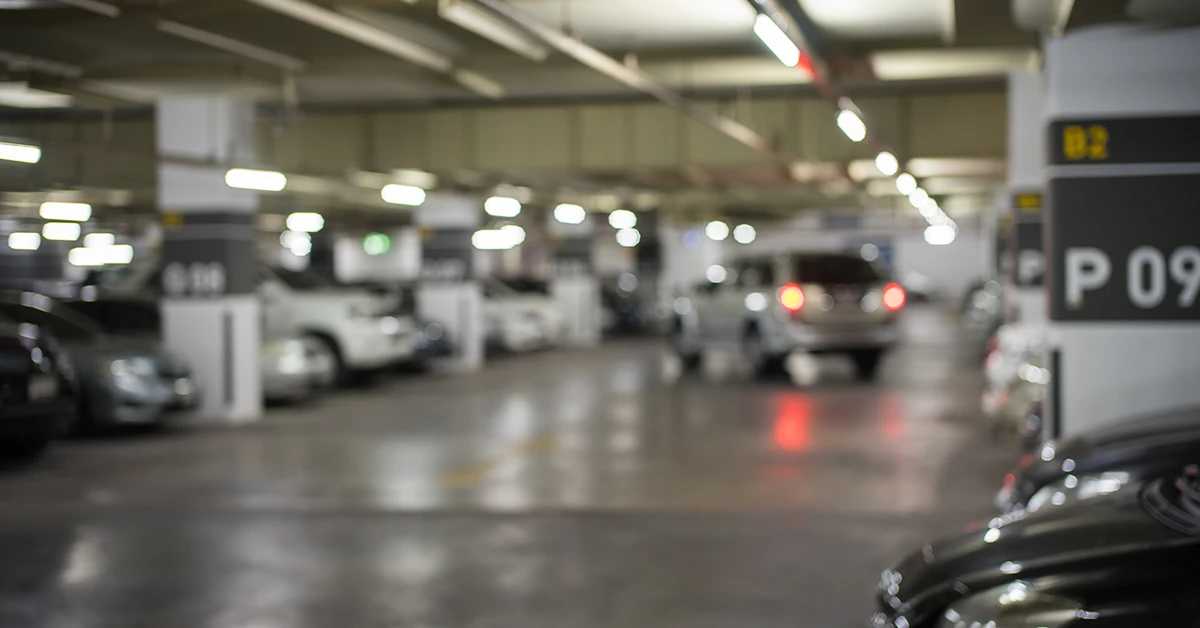
This is usually parallel parking. The parking zone is marked by lines running parallel to the kerb. We explained their meaning in the paragraph above. You should also pay attention to whether there are any restrictions in a given zone, e.g. time restrictions such as no parking on certain days of the week or at specific times.
If you do not understand all the messages on road signs, we recommend using the translator on your mobile phone. By pointing the camera at the sign, the application will translate the text on the explanations.
It is worth remembering that traffic regulations in Spain, including those relating to parking, differ from those in Poland.
Fines for parking in Spain are not among the lowest.
Parallel parking and parking using the handbrake
Parallel parking is very popular in Spain and can be challenging in crowded cities. It is worth knowing that in many cities, such as Alicante or Murcia, it is quite difficult to find a parking space. In Alicante, we recommend the underground car parks at the casino. They cost €0.025 per minute or around €20 per day, but they save you a lot of time looking for another space.
Spaniards park their cars tightly, often bumper to bumper. Additionally, in mountainous areas, it is advisable to use the handbrake to ensure safe parking on steep streets.
Parking in shopping centres and underground car parks in Spain
In large cities, using underground car parks or car parks in shopping centres can be a good solution. As in Poland, they are often paid, but they offer comfort and security, and in some cases you can use free parking when you make purchases. By parking in such places, we also reduce the risk of scratches, and the car is under constant surveillance.
What to do if your car is towed away in Spain?
By parking in a prohibited place, we risk having our vehicle towed away. This usually happens faster and more often than in Poland, and additionally involves a number of problems that follow. Sometimes, parking in a prohibited place for just a few minutes is enough for the vehicle to be removed. In such cases, you will find a triangular sticker with a telephone number that you need to call to start the vehicle recovery procedure.
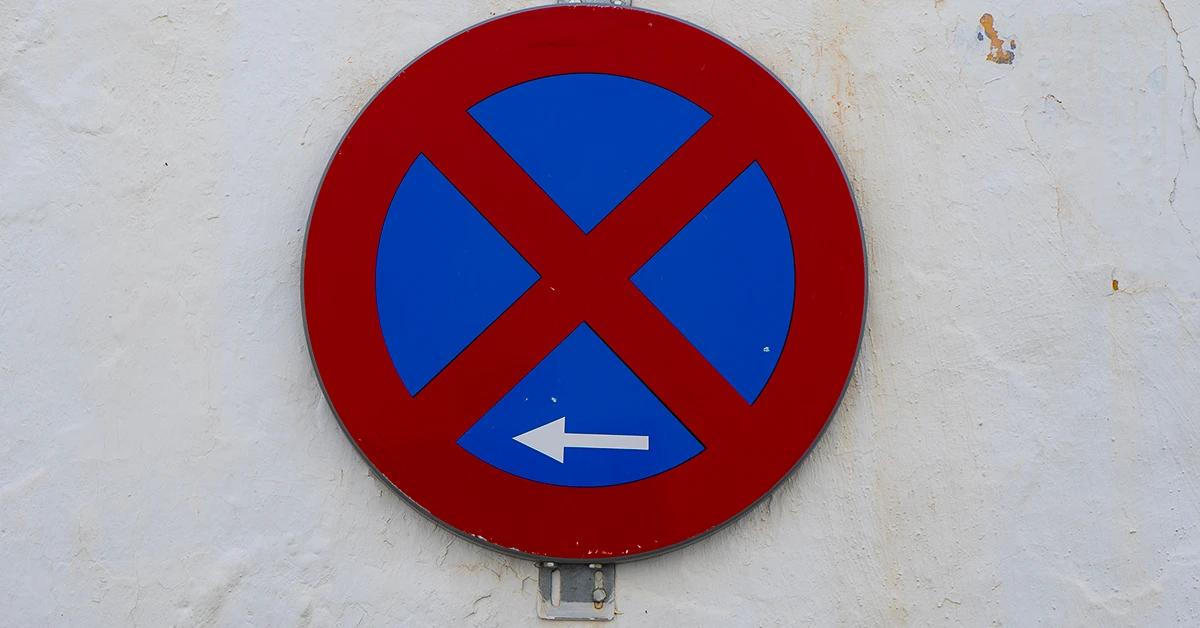
The first step is to visit the police station. We have to pay around €100 for towing and a fine for parking in a prohibited place, which is up to €200.
The vehicle is usually not parked at the nearest police station, but in remote car parks. Often quite a distance from the place of towing. If we are lucky, a kind police officer may give us a lift there.
Preventing theft and break-ins from your car
Although Spain is not a country with a high risk of car theft, it is worth taking basic precautions. Never leave valuables in plain sight and avoid parking in isolated or suspicious areas.
Useful links – public car park zones in Spain
Here is a list of public car parks in Spain’s most popular tourist cities.
We encourage you to use these resources to make parking in Spain easier and enjoy exploring this sunny country without any hassle!
Informacje o autorze

Łączę pasję do hiszpańskich nieruchomości z wieloletnim doświadczeniem w zarządzaniu. Dzięki doskonałej znajomości rynku hiszpańskiego i biegłej znajomości procedur administracyjnych, pomagam przekształcać marzenia o nieruchomości w słonecznej Hiszpanii w rzeczywistość oraz dzielę się wiedzą na blogu. Moim celem jest nie tylko sprzedaż nieruchomości, ale budowanie trwałych relacji opartych na zaufaniu i profesjonalizmie.
Your dream home in Spain awaits!
Arrange a free, no-obligation consultation. Leave your details.
Our experts will explain the entire process to you and answer any questions you may have.
Trust our experience. Over 200 properties sold. Licensed agents. Positive reviews and comprehensive services.
New properties
Other entries in this category
Easter in Spain? When is Holy Week in 2025?
Discover Holy Week in Spain - Easter 2025 One of Spain's most eagerly awaited celebrations is steeped in religious significance…
Author: Katarzyna Szulc
The best places to ski in Spain: TOP 7 ski
Planujesz wyjazd na narty w Hiszpanii? Odkryj najlepsze miejsca na stoki narciarskie, w tym popularny ośrodek Formigal i inne wyjątkowe…
Author: Go Spain
Castle of Saint Barbara in Alicante – Castillo de Santa
The Castle of Santa Bárbara in Alicante, located at the top of Mount Benacantil, is one of the largest medieval…
Author: Karolina Pazik